
What you'll learn in 30 seconds
This guide covers welcome gift ideas for new employees across eight categories, from wearables and drinkware to the handwritten note that costs nothing and gets kept longest. You'll get a six-slot checklist for building a kit, real per-person budgets from $25 to $150 with verified supplier prices, and what changes when the hire is remote, frontline, or senior. Every recommendation is tied to a specific problem it solves on day one, so nothing in the box is filler.
What Makes a Good Welcome Gift for a New Employee?
A good welcome gift is useful, wearable or edible, and personal in at least one detail. It should still be in use six months later. Cost matters far less than whether the item survives the first week.
Three things separate a gift that gets used from one that gets shelved.
- It outlives week one: A mug, a notebook, or a good pair of socks stays in rotation. A branded stress ball does not.
- It works outside the building: Items that get worn or carried keep doing their job on the commute, at the gym, on a video call. Desk items only work in one room.
- It reads as chosen: One detail tied to the individual changes how the whole box lands. Their name, their role, their coffee order. Any of those beat a bigger budget spent generically.
Welcome Gift Ideas for New Employees, by Category
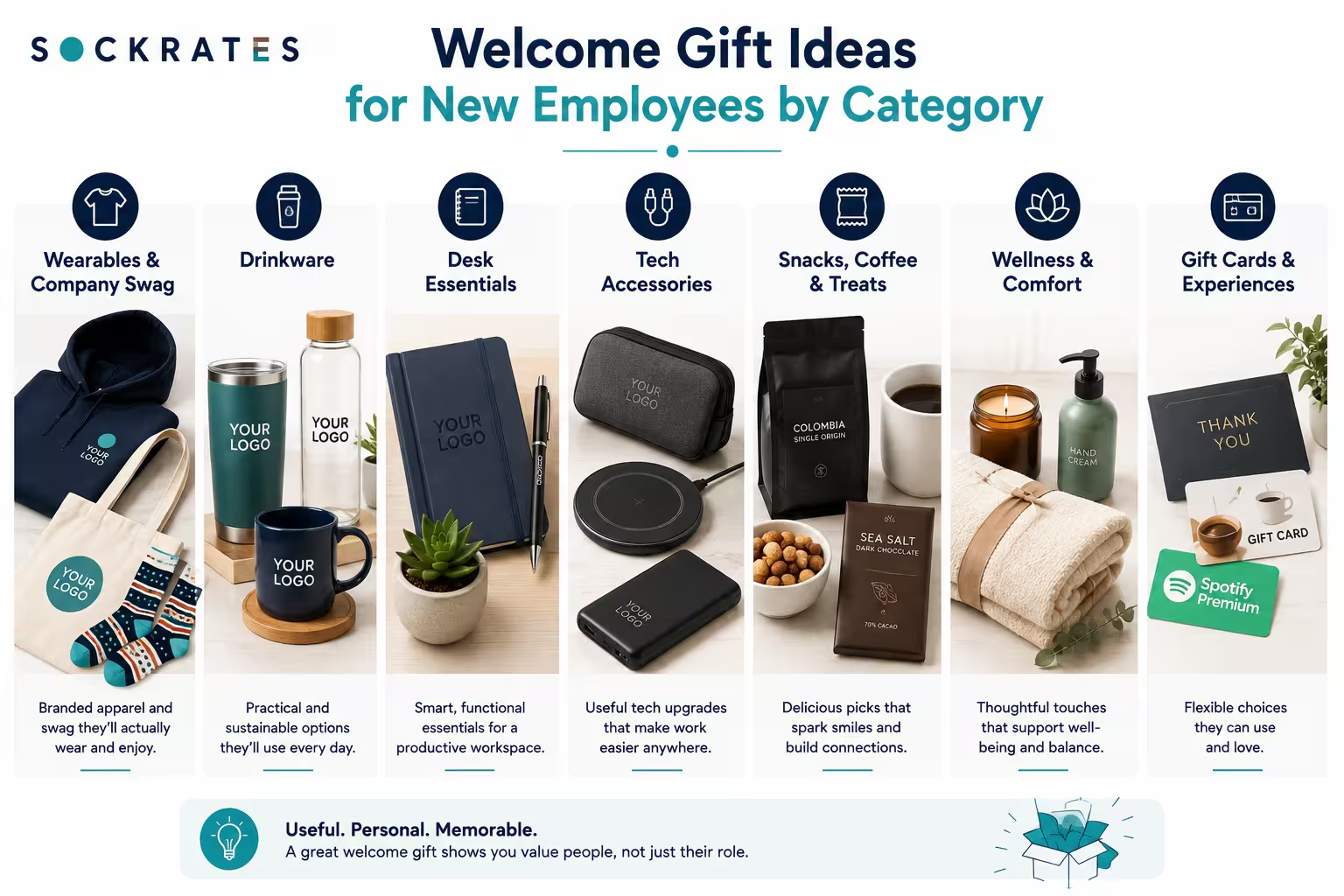
Employees have been asked directly what they want. In a survey of 303 employees who had opened or been denied a welcome kit, a quality tumbler or water bottle topped the wish list at 43%. A tote or backpack followed at 36%, then a branded hoodie and tech accessories at 34% each.
Every item near the top of that list is functional. That is the pattern worth copying.
Wearables and Company Swag
Wearables outperform desk items for one reason. They leave the office. A hoodie, a heavyweight tee, a cap, a tote, or a pair of socks keeps working in places your brand would never otherwise appear.
Quality decides everything here. A cheap tee gets thrown out within a month. A good one becomes a weekend staple. Socks sit in a useful position within this category because sizing is not a problem to solve. There is no survey to send before someone has even started, and nothing to exchange later.
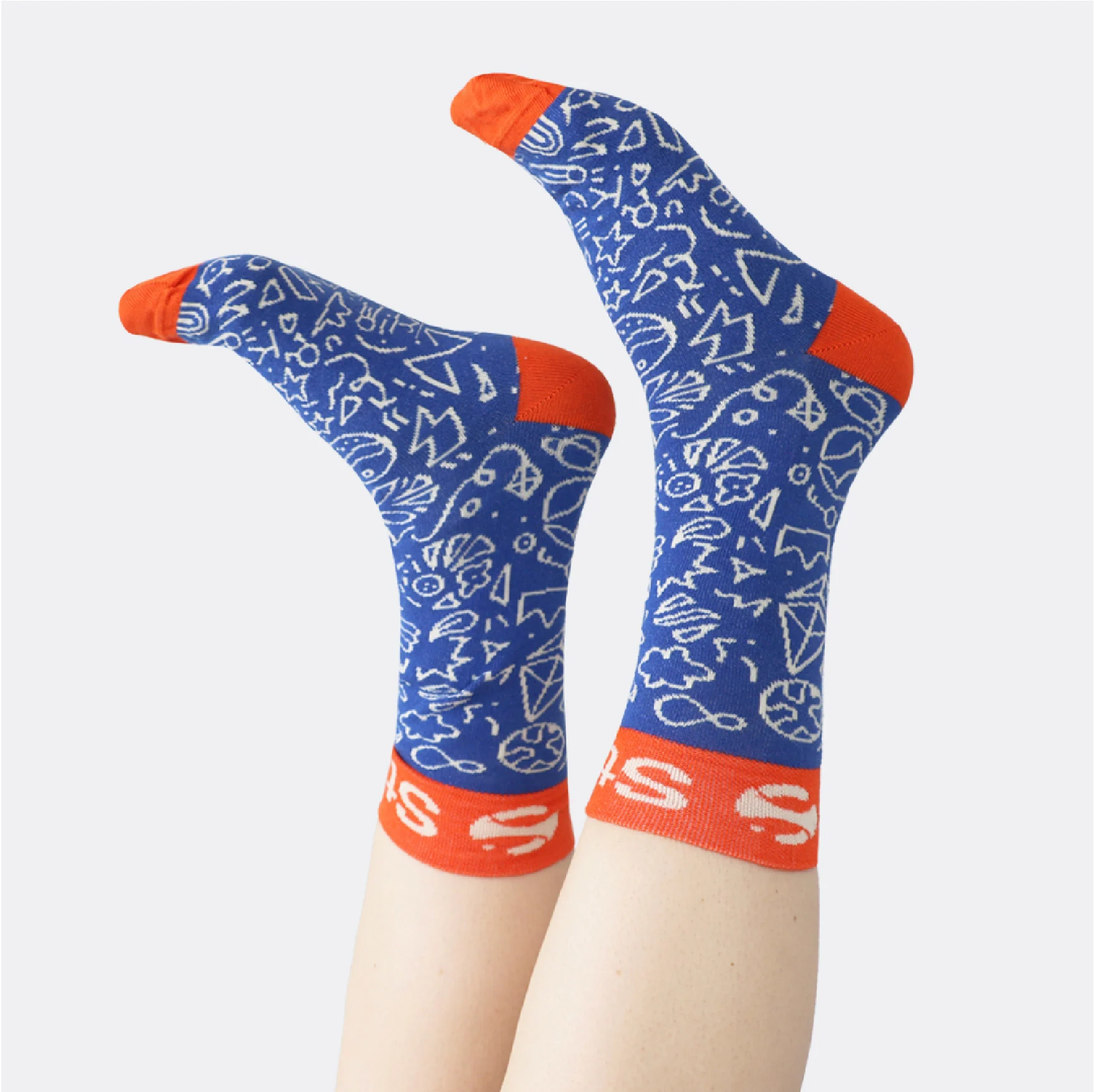
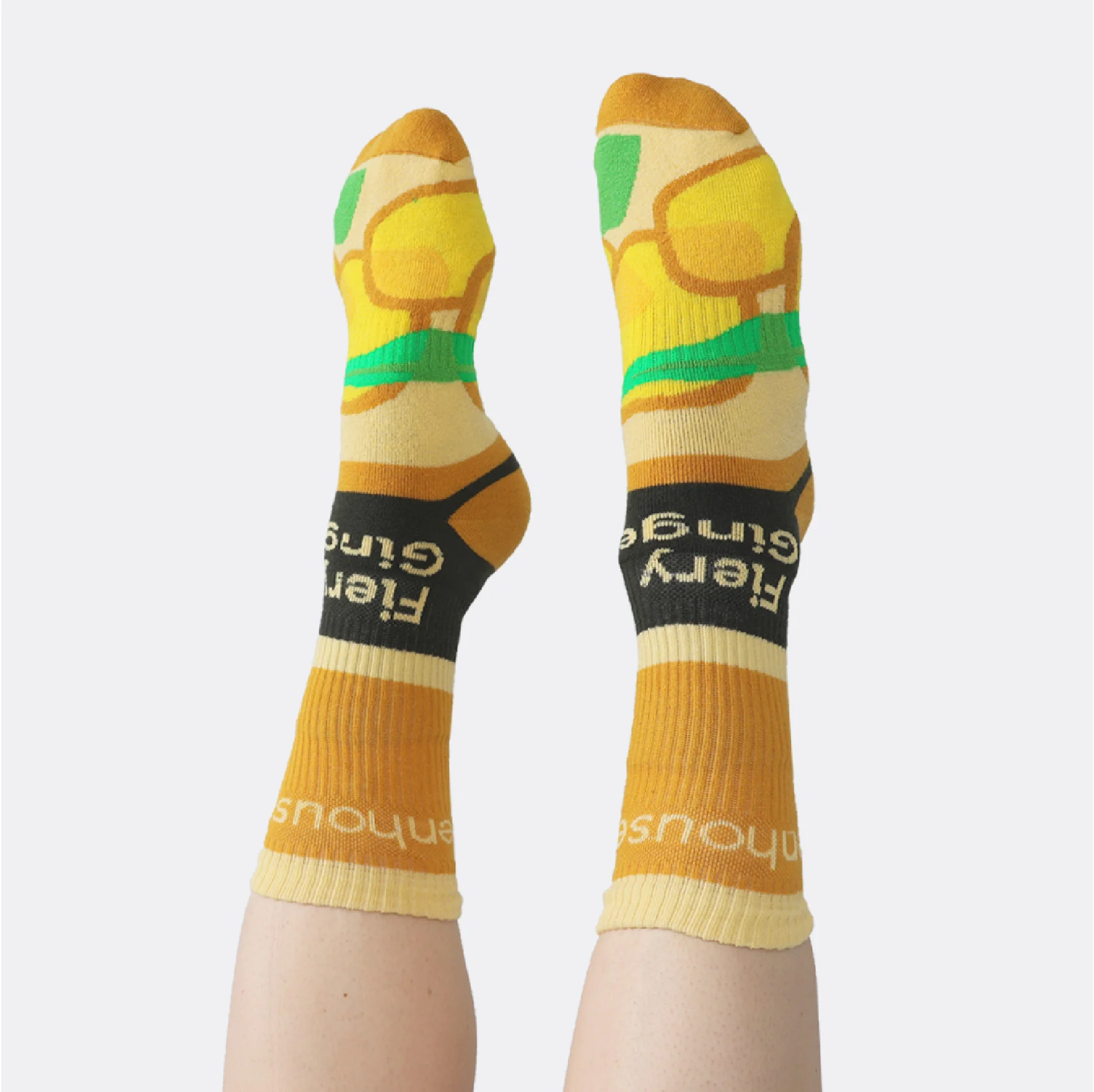
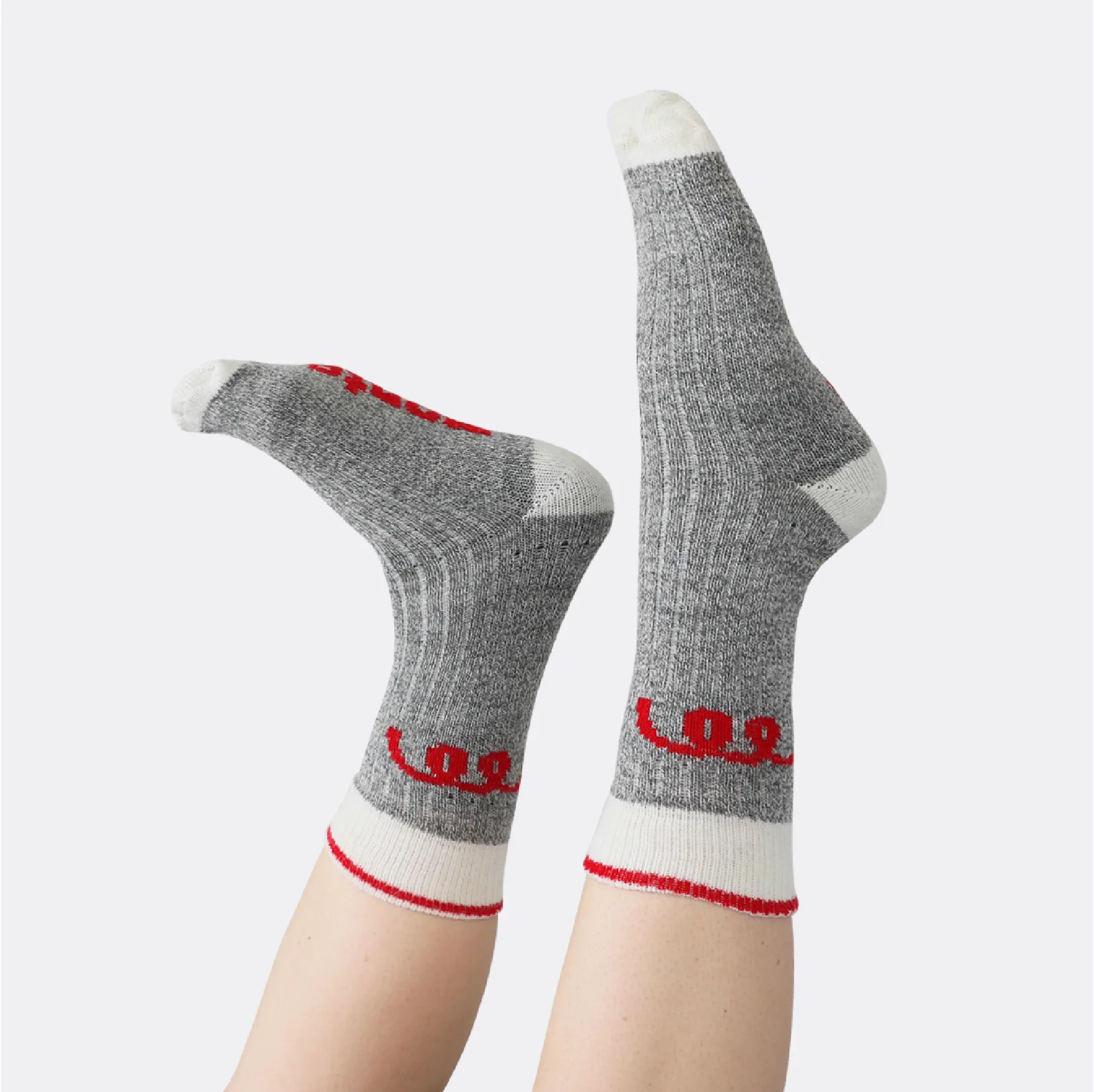
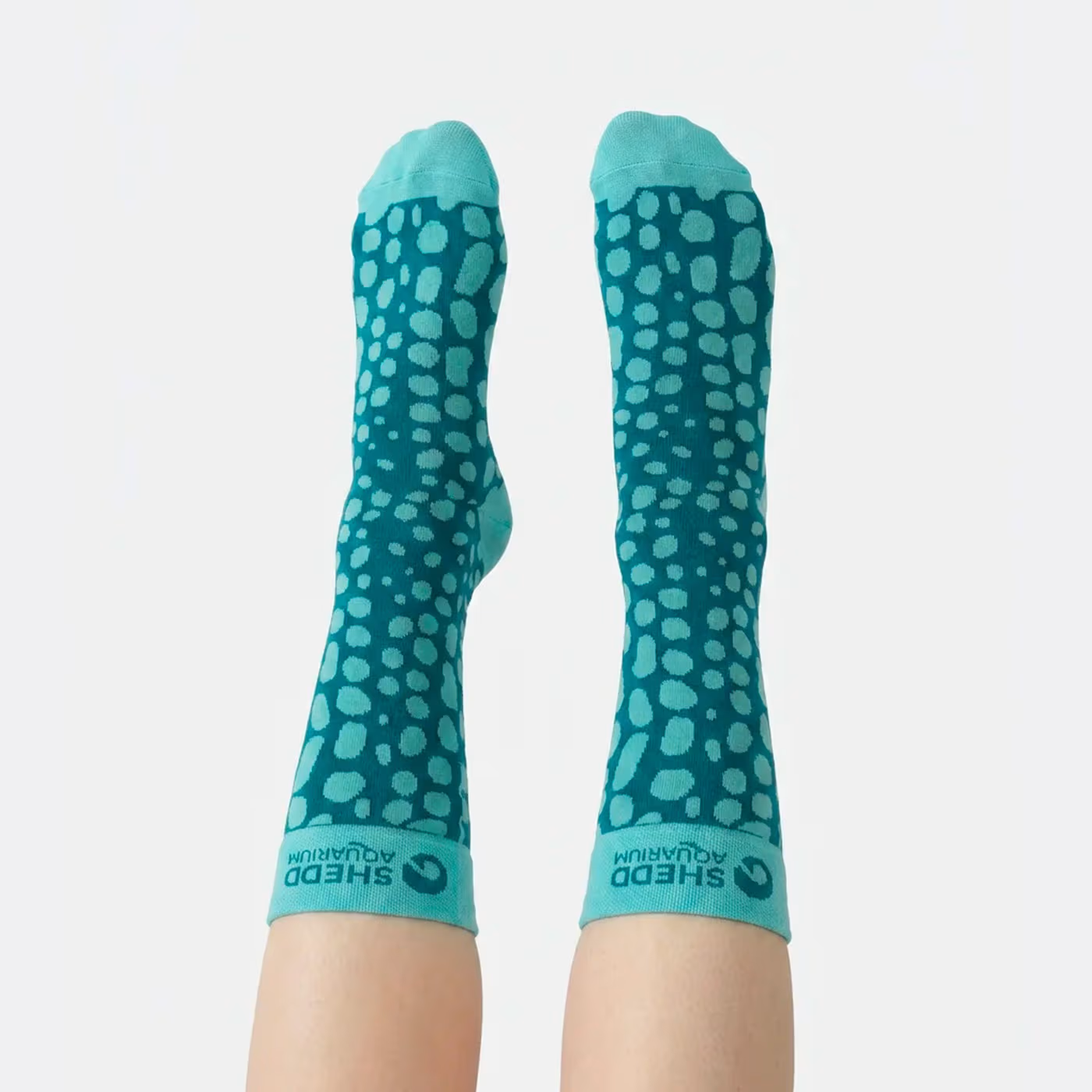
Choose the style to match the team. Dress socks suit client-facing and professional-services roles. Retro athletic socks work for younger teams and casual offices. Wool cabin socks land well for winter starters and remote hires in colder regions. Organic cotton matters if sustainability sits in your employer brand.
Drinkware
This is the most requested category and the most duplicated one. An insulated tumbler, a glass bottle, or a matte ceramic mug all work. The risk is that your hire already owns three.
Drinkware performs best as one item inside a kit rather than the entire gift. If you do lead with it, pick something they would have bought themselves.
Desk Essentials
A softcover notebook that does not look corporate. A pen worth writing with. A cable tidy. A succulent or another plant that tolerates neglect.
The notebook and pen pairing survives every trend because of timing. It is what someone reaches for in their first meeting, when they do not yet know where anything is.
Tech Accessories
A wireless charging pad, a laptop sleeve, a power bank, or a small webcam for remote roles. These are the items a new hire is most likely to be missing on day one. They are also the most awkward to have to ask a stranger for.
Snacks, Coffee and Treats
A curated snack box, single-origin coffee, small-batch chocolate, or something from a bakery near the office.
Food does social work that nothing else in the box can. It gets shared, which gives a new hire a reason to talk to someone on day one. Sourcing from a local maker adds a detail they can repeat.
Wellness and Comfort
A candle, hand cream, a tea sampler, or a throw blanket for home-office hires. This category signals that the company thinks about the person outside their job title. Useful, though rarely the headline item.
Gift Cards and Experiences
A coffee or meal delivery credit, a subscription, or a digital class. The trade-off is straightforward. A gift card is the least personal option and the most likely to be spent on something they genuinely want.
Best used as an add-on for remote hires. Rarely convincing as the whole gift.
The Handwritten Note
The cheapest item in the box is the one most likely to be kept. In that same employee survey, a personalised note from leadership ranked seventh on the wish list at 24%, which is remarkable for something that costs nothing.
Specificity is what makes it work. Compare these two.
Weak: "Welcome to the team. We're excited to have you on board."
Strong: "We've been waiting to have someone who can actually read a P&L on this team. Your first project is the Q3 forecast, and nobody here is sorry to hand it over."
The second one proves a person wrote it. That is the entire job of the note.
What to Include in a New Hire Welcome Kit
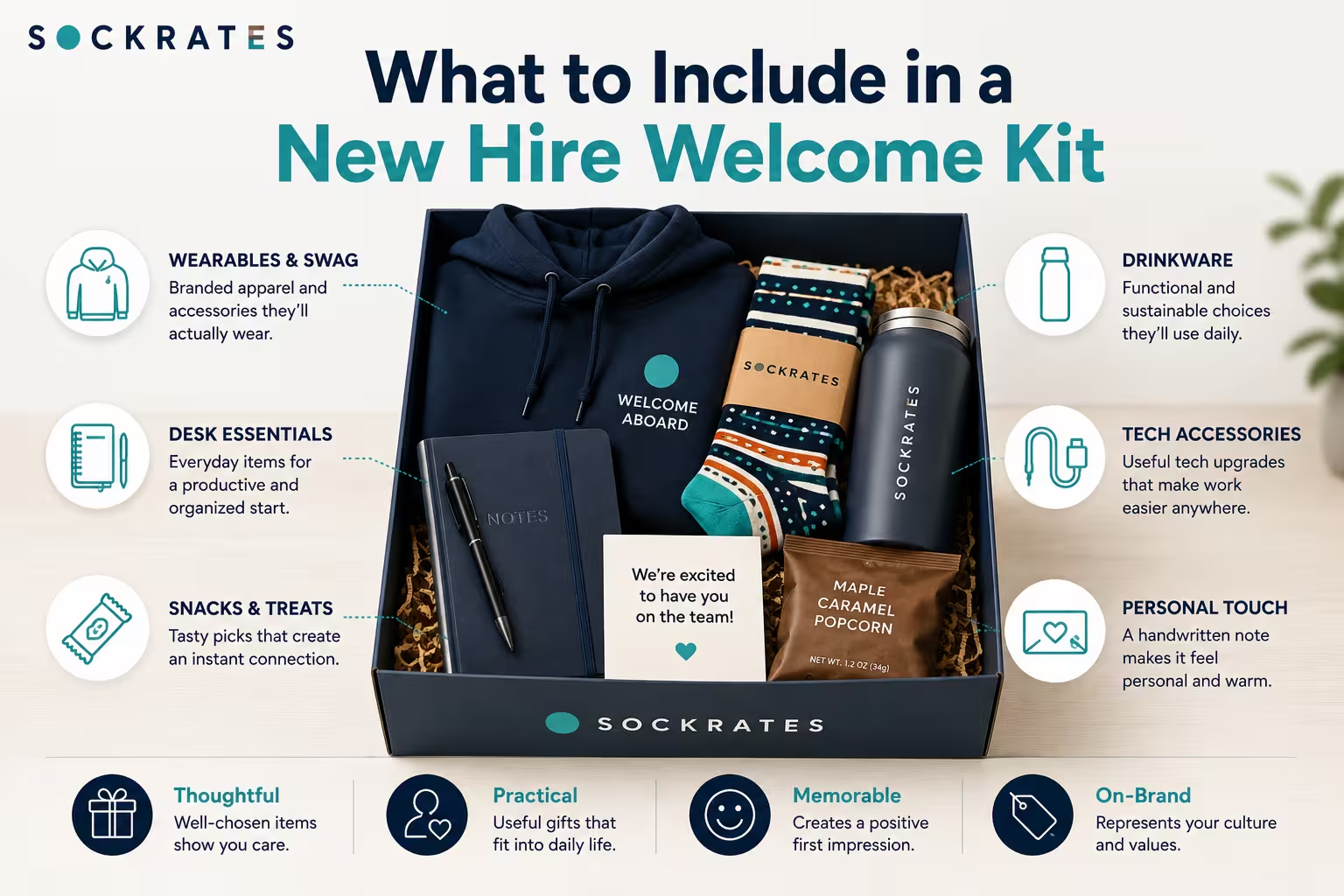
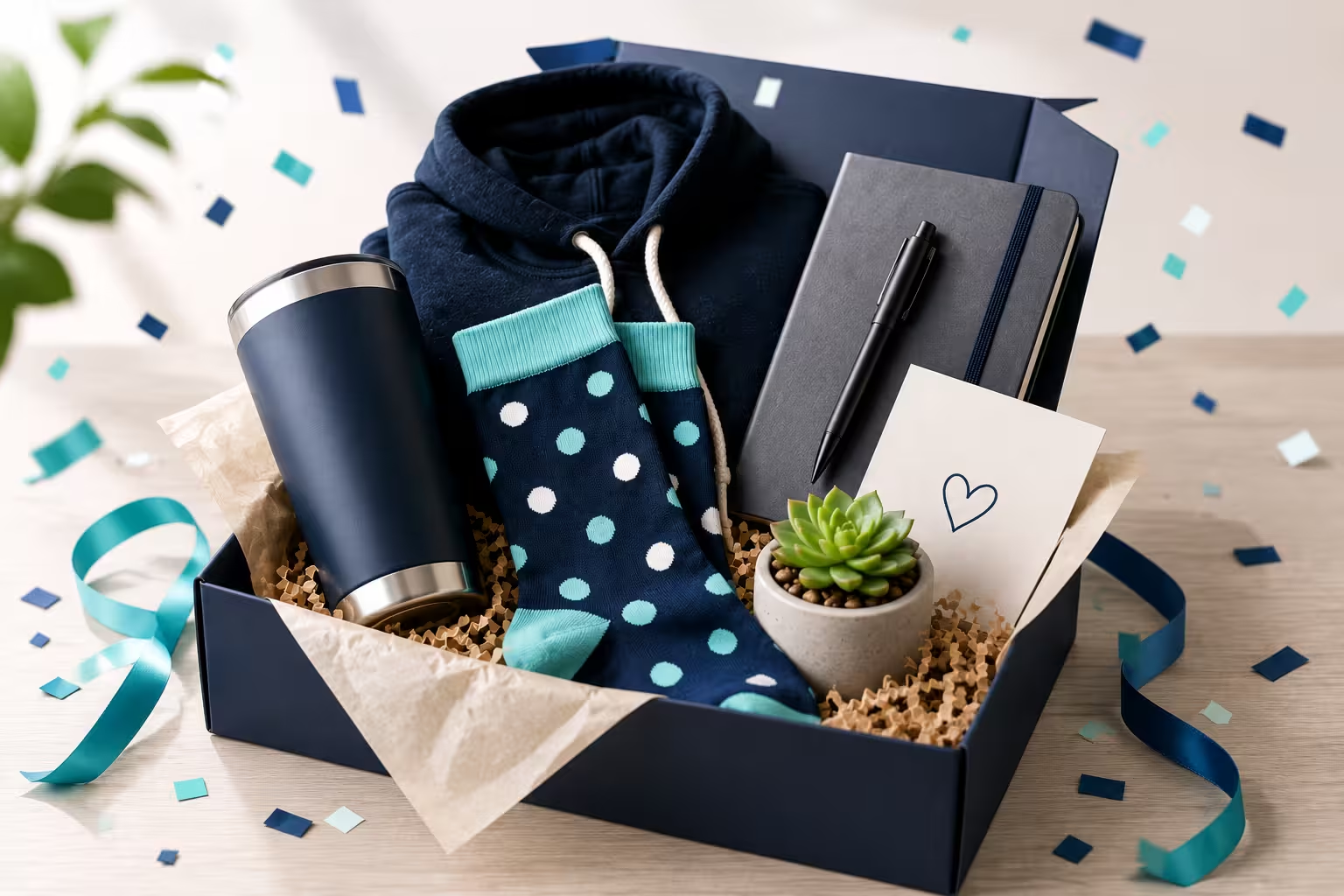
Build the kit in six slots rather than by browsing a catalogue. One item per slot.
- The wearable. One branded item they will genuinely wear.
- The daily driver. Drinkware or a notebook. Something touched every day.
- The day-one fix. The cable, charger, or sleeve they would otherwise borrow.
- The edible. A snack, coffee, or chocolate.
- The personal detail. Their name, their role, or a nod to something from the interview.
- The note. Handwritten, specific, signed by their manager.
Four well-chosen items beat ten random ones. And the packaging is part of the gift, not the wrapper around it. A good item in a padded envelope lands differently to the same item in a proper box.
If you want a wider set of options across price points, this list of employee gift ideas covers more ground than a single kit needs.
How Much Should You Spend on a Welcome Gift for a New Employee?
Most companies spend between $25 and $50 per hire. Teams spending over $100 report noticeably higher confidence that their kit is working, though that gap may reflect the care taken rather than the money spent.
Remote vs In-Office New Hire Welcome Gifts
Remote kits need to reach a home address before day one. They should also replace the things an office would have provided by default.
Here is the practical trap. Nobody remembers to collect home addresses until the week before someone starts. That single gap is what turns a good kit into a late one.
Add the address field to your offer paperwork rather than your onboarding checklist. It costs nothing and removes the scramble entirely. For teams hiring across borders, shipping to multiple countries needs a longer runway than domestic orders.
Remote hires also respond well to a curated gift box rather than loose items, because the unboxing is the only ceremony they get.
Welcome Gifts for Different Roles and Teams
A single kit rarely fits an entire company. What a nurse needs on day one has almost nothing in common with what a new VP needs. Four groups worth thinking about separately.
Executive and Senior Hires
Fewer items, higher quality, more personalisation. One premium piece with a handwritten note from the CEO lands better than five mid-tier items in a box.
What works: a leather portfolio or a hardcover notebook, a pen worth keeping, a merino knit or quality fleece, an insulated tumbler in a brand people recognise. At the top end, noise-cancelling headphones or a book chosen for their background.
Senior hires have received a lot of corporate gifts. They can tell immediately what something cost, so a smaller number of good items reads better than a full box.
Sales and Client-Facing Teams
These people travel. Build the kit around that rather than around the office.
What works: a structured laptop bag or backpack, a power bank, a slim business card holder, a good polo or quarter-zip, a leather luggage tag. Branded apparel earns its keep here because the item goes to client meetings, conferences, and trade shows, where quiet brand presence is genuinely useful.
Skip anything that only works at a desk. A plant is a poor gift for someone who is out four days a week.
Frontline, Warehouse, Healthcare and Hospitality
Comfort and durability beat desk decor. Everything in this kit should survive a full shift and a washing machine.
What works, and why:
- A large insulated bottle, 32oz or more. Refilling a small bottle mid-shift is not always possible.
- An insulated lunch bag or cooler, for people without reliable fridge access.
- A vacuum flask for anyone starting before sunrise.
- Hand cream and lip balm. Frequent hand washing and dry hospital air are real problems, and almost nobody thinks to solve them.
- Quality insoles, which cost little and matter more than most items on this list.
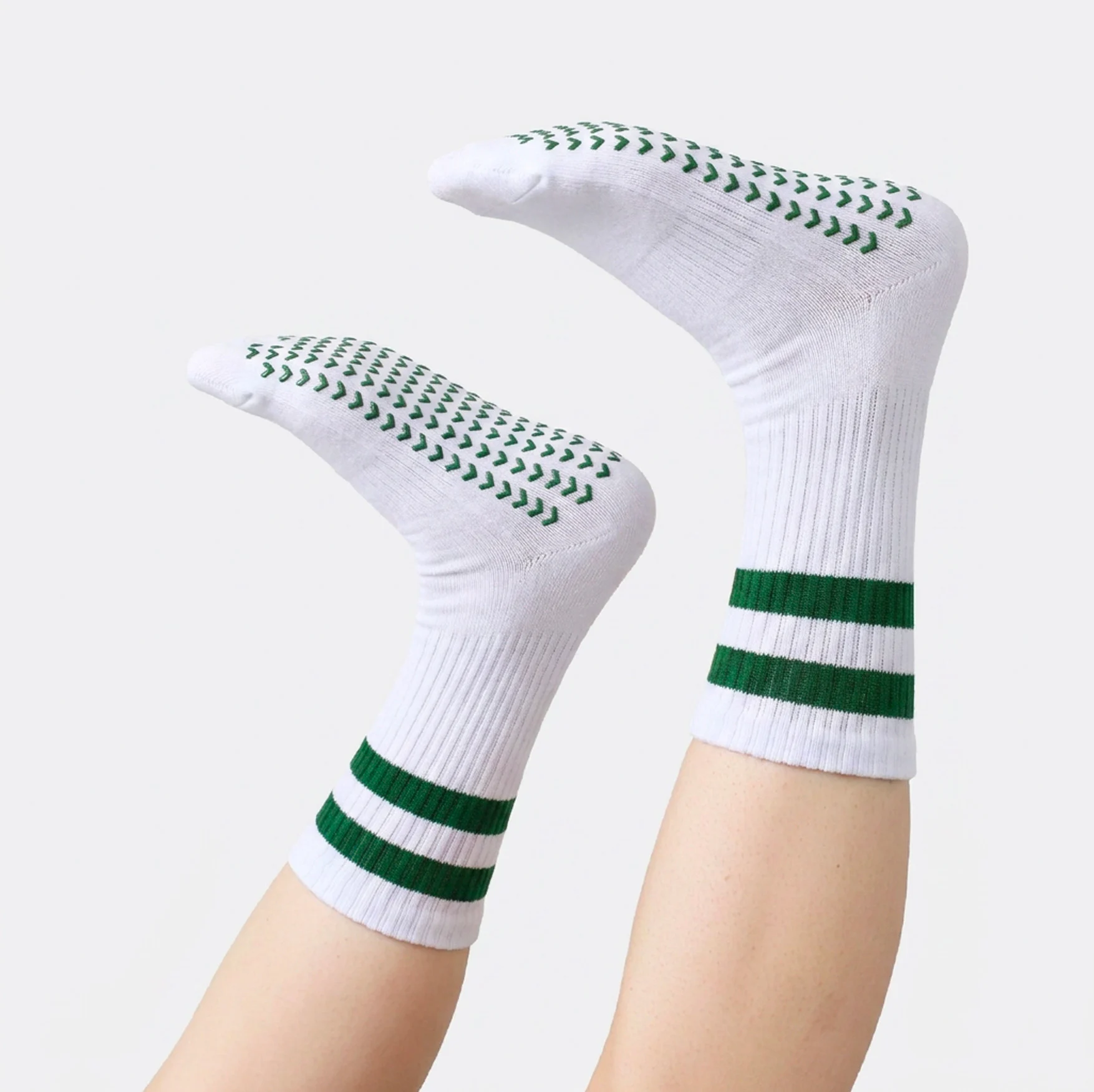
- Socks built for time on feet. Compression socks suit healthcare and long standing shifts. Grip socks work for hospitality, studios, and anywhere floors get slippery.
- A badge reel or lanyard, for anyone who will be badging in and out all day.
What to skip: candles, desk plants, anything ceramic, anything that cannot go in a locker.

When Should You Give a New Employee Their Welcome Gift?
Before their first day, or on it. After the first week, the gift starts working against you.
Production time is the constraint most teams miss. A custom item ordered the week before a start date will not arrive. Anything printed, embroidered, or knitted needs planning against your offer-acceptance date, not the start date.
This matters more than it sounds. Turnaround times vary enormously between suppliers, and a fast one gives you room to be late deciding.
How to Brand a Welcome Gift Without It Feeling Like Swag
Branded gifts carry an obvious risk. They can read as advertising aimed at the person receiving them.
- Small logos beat large ones. A discreet mark on a good item feels like membership. A large one feels like a billboard.
- Item quality matters more than logo size. Nobody is impressed by a big logo on a bad hoodie. The reverse works consistently.
- Colour travels further than a wordmark. Your brand palette on a well-made item is recognisable without shouting. Pantone matching is what makes this work in practice, because approximate colours look like a mistake.
- Packaging does most of the work. A proper box turns three items into a gift. The same three items loose in a mailer read as supplies.
Mistakes to Avoid With New Hire Welcome Gifts
- Sending it late. A kit in month two is worse than no kit.
- Cheap apparel. It will be thrown out inside a month and remembered longer than that.
- An oversized logo on everything. One branded item is a gift. Six is a uniform.
- Ten filler items instead of four good ones. Volume reads as effort to the buyer and as clutter to the recipient.
- Food without checking dietary needs. A snack box someone cannot eat is a small, avoidable insult.
- Sized apparel ordered without asking. This is why one-size items are safer for people who have not started yet.
- A generic note. The fastest way to make a thoughtful box feel automated.
Why Custom Socks Work in a New Hire Welcome Kit
Four practical reasons, beyond anything already covered above.
- One size covers the whole team. No sizing survey before someone starts. No exchanges afterwards. For a hire you have never met, that removes the only real risk in branded apparel.
- They get worn outside work. Desk items stay at a desk. Socks travel, which is where a brand actually gets seen by people who do not work for you.
- Quality is obvious on first wear. Materials and construction show immediately in socks, in a way they do not in a tote bag. Socks made in an Italian mill feel different from promotional stock, and the hire notices without being told.
- They fit any tier. Socks can be the entire gift under $25, or the wearable slot in a $150 kit. Few items work at both ends.
A free design service and a short turnaround also help when a start date lands sooner than expected. You can start a design without committing to an order.
Frequently Asked Questions
Create socks your team will actually be proud to give away






.webp)